Start with the concrete underneath
The condition of the slab is central to an epoxy project. Existing coatings, cracks, contamination and moisture can affect adhesion and the appropriate preparation method. A coating should not be treated as a way to ignore an underlying surface problem. Describe the existing floor and any peeling, staining or visible damage when you first discuss the project.
Discuss appearance alongside how the space is used
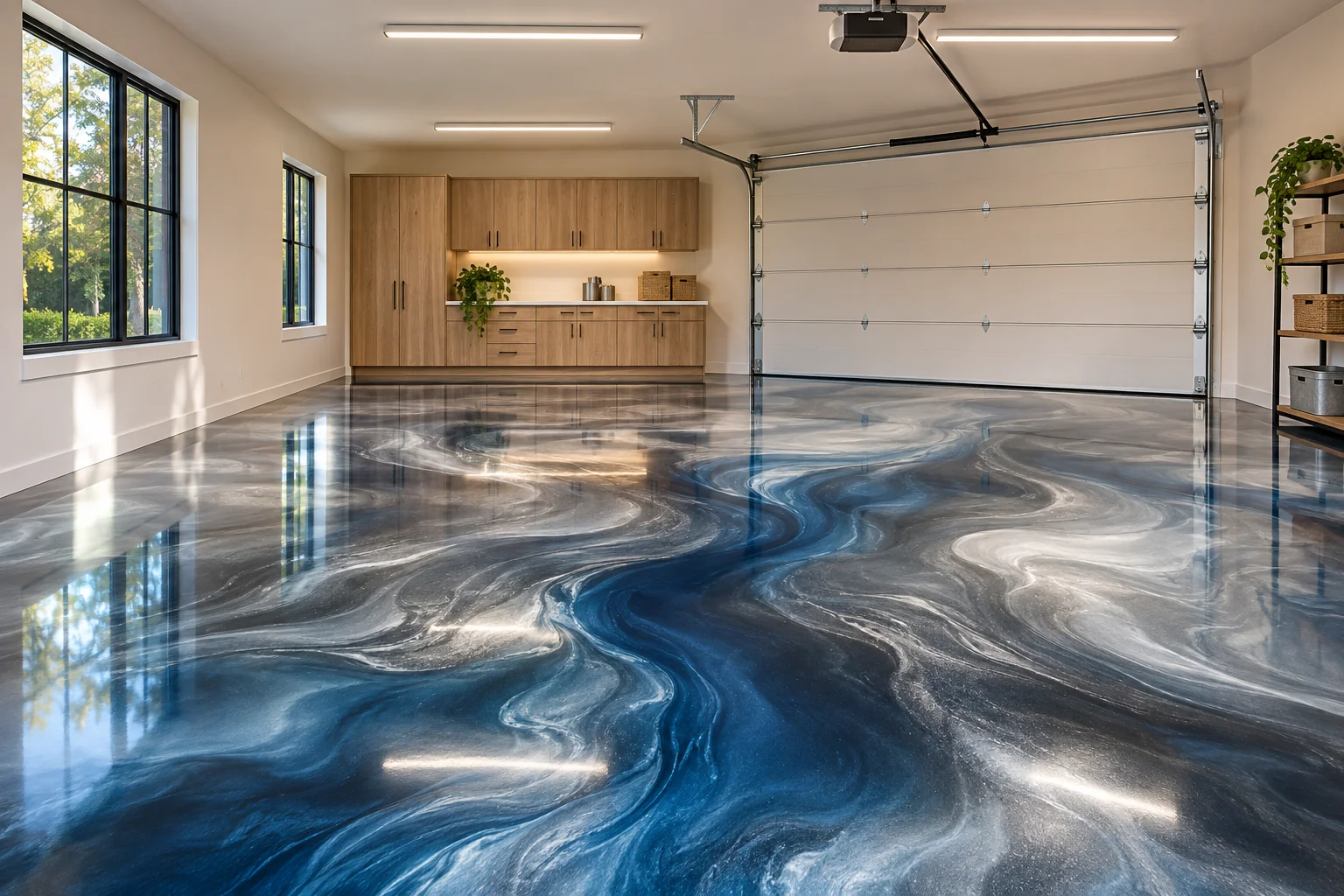
A coating’s color, texture and sheen influence its appearance, but the right system also depends on foot traffic, moisture exposure and sunlight. Slip resistance needs particular attention in areas that can get wet. Different coating systems have different properties; do not assume that every epoxy product is suitable outdoors or will perform the same in direct sun.
Plan around preparation and curing
Epoxy work can involve several steps, and the time before foot traffic or regular use depends on the selected system and site conditions. Ask about access, ventilation and cure requirements before planning around the project. Share your Central Florida location, approximate area and intended use with Jared so the quote conversation can address the whole space.
Epoxy coatings: common questions
Can epoxy cover damaged concrete?
Minor defects may be repairable, but the concrete needs assessment and appropriate preparation. Structural movement, moisture or contamination may need to be addressed before a coating is considered.
Is epoxy flooring slippery?
Slip resistance varies with texture, additives, contamination and whether the floor is wet. Discuss the room’s use and suitable finish options rather than assuming every coating provides the same grip.
How quickly can an epoxy floor be used?
The answer depends on the coating system, temperature, humidity and the type of use. Follow the specified cure schedule; do not assume the floor is ready when it first feels dry.